
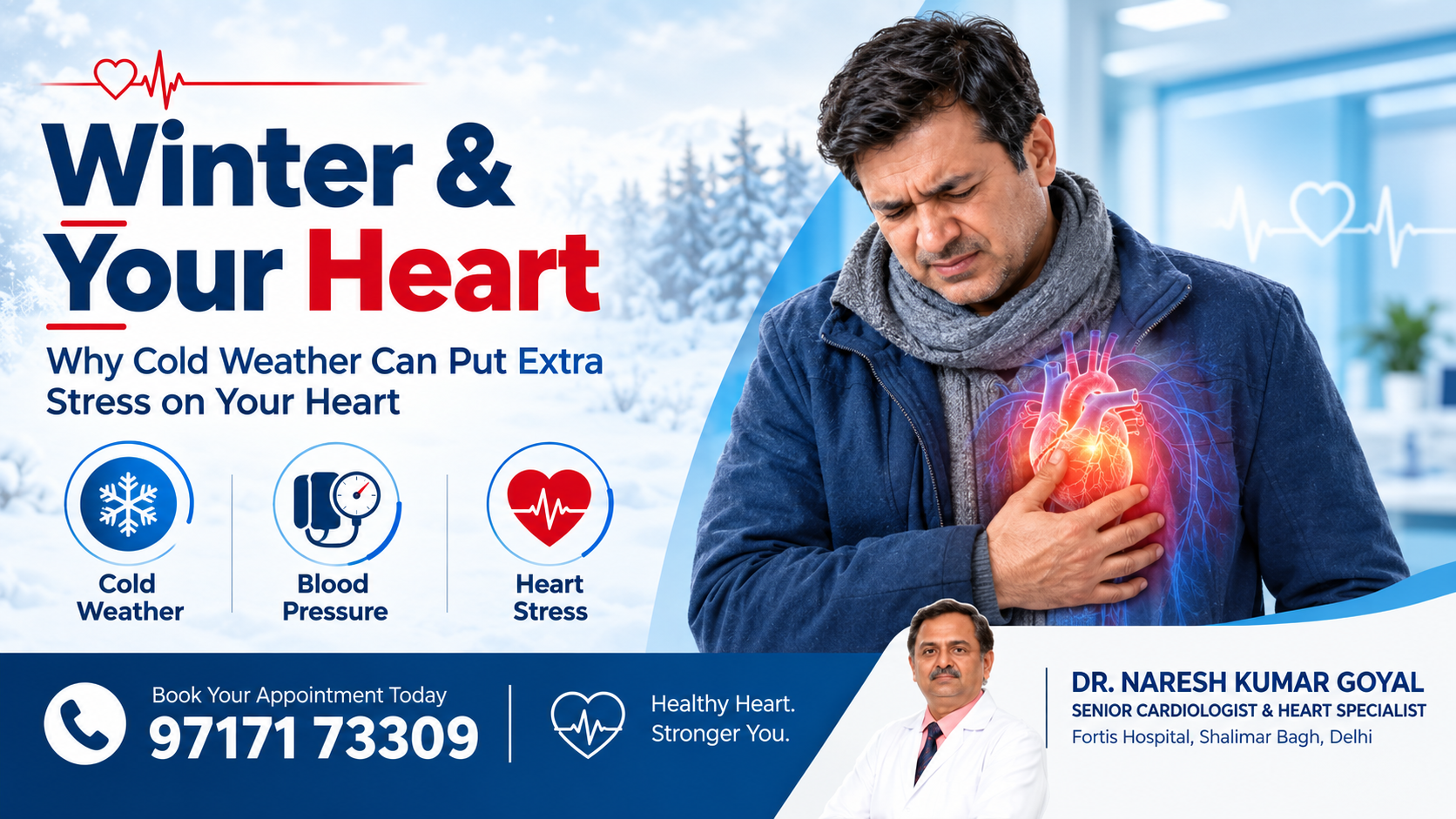
Winter is coming—and while cooler weather may feel pleasant, it can also be a season when people need to pay closer attention to their heart health.
For some people, winter brings more than cold mornings and chilly evenings. Changes in temperature, reduced physical activity, changes in diet, respiratory infections, and fluctuations in blood pressure can place additional stress on the cardiovascular system.
This is particularly important for people who already have high blood pressure, diabetes, high cholesterol, obesity, previous heart disease, or other cardiovascular risk factors.
A heart attack or stroke does not happen simply because the weather becomes cold. However, colder temperatures can affect the body’s circulation and blood pressure, which may increase cardiovascular stress in susceptible individuals.
That is why winter heart care is not about fear—it is about awareness, prevention, and timely medical attention.
Why Does Cold Weather Put Extra Stress on the Heart?
When the temperature falls, your body naturally tries to conserve heat. One of the body’s responses is vasoconstriction, meaning the blood vessels become narrower.
When blood vessels narrow, blood pressure can rise and the heart may need to work harder to circulate blood throughout the body.
For people who already have cardiovascular risk factors, this additional stress may be more significant.
Cold weather may also influence:
- Blood pressure
- Blood circulation
- Heart workload
- Physical activity levels
- Sleep and daily routines
- Dietary habits
- Respiratory health
These factors can make winter an important time to be more conscious about cardiovascular health.
Why Can Heart Attack and Stroke Risk Become a Concern in Winter?
A heart attack generally occurs when blood flow to part of the heart becomes blocked, while a stroke can occur when blood flow to part of the brain is interrupted or when a blood vessel in the brain bleeds.
Several winter-related factors can contribute to cardiovascular stress, particularly among people who already have underlying risk factors.
Cold Temperatures
Cold temperatures can cause blood vessels to constrict, potentially increasing blood pressure and the workload placed on the heart.
Reduced Physical Activity
During winter, many people spend more time indoors and become less physically active. A prolonged sedentary routine can negatively affect several cardiovascular risk factors.
Changes in Food Habits
Winter can encourage people to consume more fried foods, sweets, salty snacks, and heavy meals. Excessive salt and unhealthy dietary patterns can contribute to elevated blood pressure and other cardiovascular risk factors.
Respiratory Infections
Winter is also associated with an increase in certain respiratory infections. Illness can place additional stress on the body, which can be particularly important for people with existing heart disease.
Existing Health Conditions
People with hypertension, diabetes, high cholesterol, obesity, or established cardiovascular disease may require greater attention to their heart health throughout the year, including during winter.
Don’t Mistake Heart Attack Symptoms for Acidity
One of the biggest concerns is that people sometimes dismiss chest discomfort as gas, acidity, indigestion, or tiredness.
Heart attack symptoms can vary from person to person. Possible warning signs include:
- Pressure, tightness, heaviness, or discomfort in the chest
- Pain or discomfort spreading to the arm, shoulder, back, neck, or jaw
- Shortness of breath
- Sudden sweating
- Nausea or vomiting
- Dizziness or light-headedness
- Unusual weakness or fatigue
Persistent or concerning chest pain should never be self-diagnosed as acidity.
If symptoms are severe, sudden, or persistent, seek emergency medical attention immediately.
Recognise Stroke Symptoms: Every Minute Matters
Stroke is another serious medical emergency where timely treatment can be extremely important.
Remember FAST:
F – Face: Does one side of the face droop?
A – Arms: Is one arm weak or numb?
S – Speech: Is speech unclear or difficult?
T – Time: Seek emergency medical help immediately.
Sudden difficulty seeing, walking, balancing, or a sudden severe headache can also require urgent medical evaluation.
How Can You Take Better Care of Your Heart During Winter?
Winter heart care does not have to be complicated. Small, consistent habits can make a meaningful difference.
1. Keep Your Body Warm
Dress appropriately when going outside in cold weather. Avoid prolonged exposure to very low temperatures, especially if you have an existing cardiovascular condition.
2. Monitor Your Blood Pressure
If you have hypertension, follow your healthcare professional’s advice regarding regular blood-pressure monitoring and medication.
3. Stay Physically Active
Don’t allow cold weather to turn into months of inactivity. Indoor exercise or other suitable physical activity can help maintain cardiovascular fitness.
If you have known heart disease or are beginning a new exercise routine, discuss the appropriate level of activity with your healthcare professional.
4. Choose Heart-Friendly Foods
Enjoy seasonal foods while maintaining balance. Limit excessive salt, deep-fried foods, processed foods, and foods high in saturated fats.
Include appropriate portions of vegetables, fruits, whole grains, and other nutritious foods as part of a balanced diet.
5. Take Prescribed Medicines Regularly
If you have been prescribed medication for blood pressure, cholesterol, diabetes, or heart disease, take it according to your doctor’s instructions. Don’t stop or change medication without medical advice.
6. Don’t Ignore New Symptoms
Chest discomfort, breathlessness, unexplained fatigue, dizziness, or palpitations should not automatically be blamed on cold weather.
Getting symptoms evaluated can help identify potential problems and determine whether further testing is appropriate.
Best Cardiologist in Model Town – Dr. Naresh Kumar Goyal
If you are searching for the best cardiologist in Model Town, Dr. Naresh Kumar Goyal (MBBS, MD, DM from AIIMS) brings 25+ years of experience in cardiovascular care.
A professional evaluation can help you understand your symptoms, assess your cardiovascular risk factors, and determine the appropriate next steps for your heart health.
Whether you are concerned about blood pressure, cholesterol, chest discomfort, heart disease risk, or other cardiovascular symptoms, discussing your concerns with a qualified cardiologist can help you make informed decisions about your health.
Winter Is the Time to Listen to Your Heart
Cold weather should not make you fearful—but it should make you more aware.
Your heart works continuously, every day and every season. Winter is simply another opportunity to pay attention to your blood pressure, activity levels, diet, medications, and warning symptoms.
Listen to your body. Don’t ignore persistent chest pain, sudden breathlessness, unusual weakness, or other concerning symptoms. Early medical evaluation can make a meaningful difference.
Frequently Asked Questions About Winter and Heart Health
1. Does cold weather increase the risk of heart attack?
Cold temperatures can cause blood vessels to constrict and may increase blood pressure and the workload on the heart. This can be particularly relevant for people who already have cardiovascular risk factors. Cold weather alone does not mean a person will have a heart attack.
2. Why do heart problems sometimes become a concern during winter?
Winter can bring several factors that may affect cardiovascular health, including cold temperatures, changes in physical activity, dietary habits, blood-pressure fluctuations, and respiratory infections. These factors can be more important for people with existing heart conditions.
3. Can cold weather cause high blood pressure?
Cold temperatures can cause blood vessels to narrow, which may temporarily increase blood pressure. People with hypertension should follow their doctor’s advice regarding monitoring and treatment.
4. What are the early warning signs of a heart attack?
Possible symptoms include chest pressure or discomfort, pain spreading to the arm, shoulder, back, neck, or jaw, shortness of breath, sweating, nausea, dizziness, and unusual weakness. Symptoms can vary, so concerning symptoms should receive prompt medical attention.
5. How can I tell the difference between acidity and heart-related chest pain?
It can sometimes be difficult to distinguish the causes based on symptoms alone. Chest discomfort that is persistent, severe, unusual, or accompanied by sweating, breathlessness, dizziness, or pain spreading to other areas should not simply be assumed to be acidity. Seek urgent medical evaluation.
6. Who should be especially careful about heart health during winter?
People with conditions or risk factors such as hypertension, diabetes, high cholesterol, obesity, previous heart disease, or a history of cardiovascular problems should pay particular attention to their heart health.
7. Should heart patients exercise during winter?
Many people can remain physically active during winter, but the appropriate activity depends on their health and medical condition. People with known heart disease should discuss suitable exercise intensity with their healthcare professional.
8. Can winter lifestyle changes affect heart health?
Yes. Reduced physical activity, heavier meals, increased salt intake, disrupted routines, and inadequate attention to existing health conditions can influence cardiovascular risk factors.
9. When should I consult a cardiologist?
Consider discussing your cardiovascular health with a cardiologist if you have persistent or unexplained chest discomfort, breathlessness, palpitations, high blood pressure, high cholesterol, diabetes, a strong family history of heart disease, or other concerns about your heart health.
10. What should I do if someone develops sudden chest pain?
If someone develops severe or concerning chest pain, especially with breathlessness, sweating, faintness, nausea, or pain spreading to the arm, jaw, back, or shoulder, seek emergency medical care immediately. Do not delay emergency evaluation while trying home remedies.
11. Can regular heart check-ups help during winter?
Regular medical evaluations can help identify and monitor cardiovascular risk factors such as blood pressure, cholesterol, diabetes, and other conditions. Your doctor can advise whether specific tests or follow-up are appropriate based on your individual health profile.
12. Is winter dangerous for everyone with a heart condition?
No. Winter does not automatically make heart disease dangerous for every individual. The level of risk depends on a person’s underlying condition, risk factors, symptoms, lifestyle, and overall health. Following medical advice and recognising warning signs are important throughout the year.