Best Cardiologist in Adarsh Nagar: Is Chest Pain Always Related to the Heart?
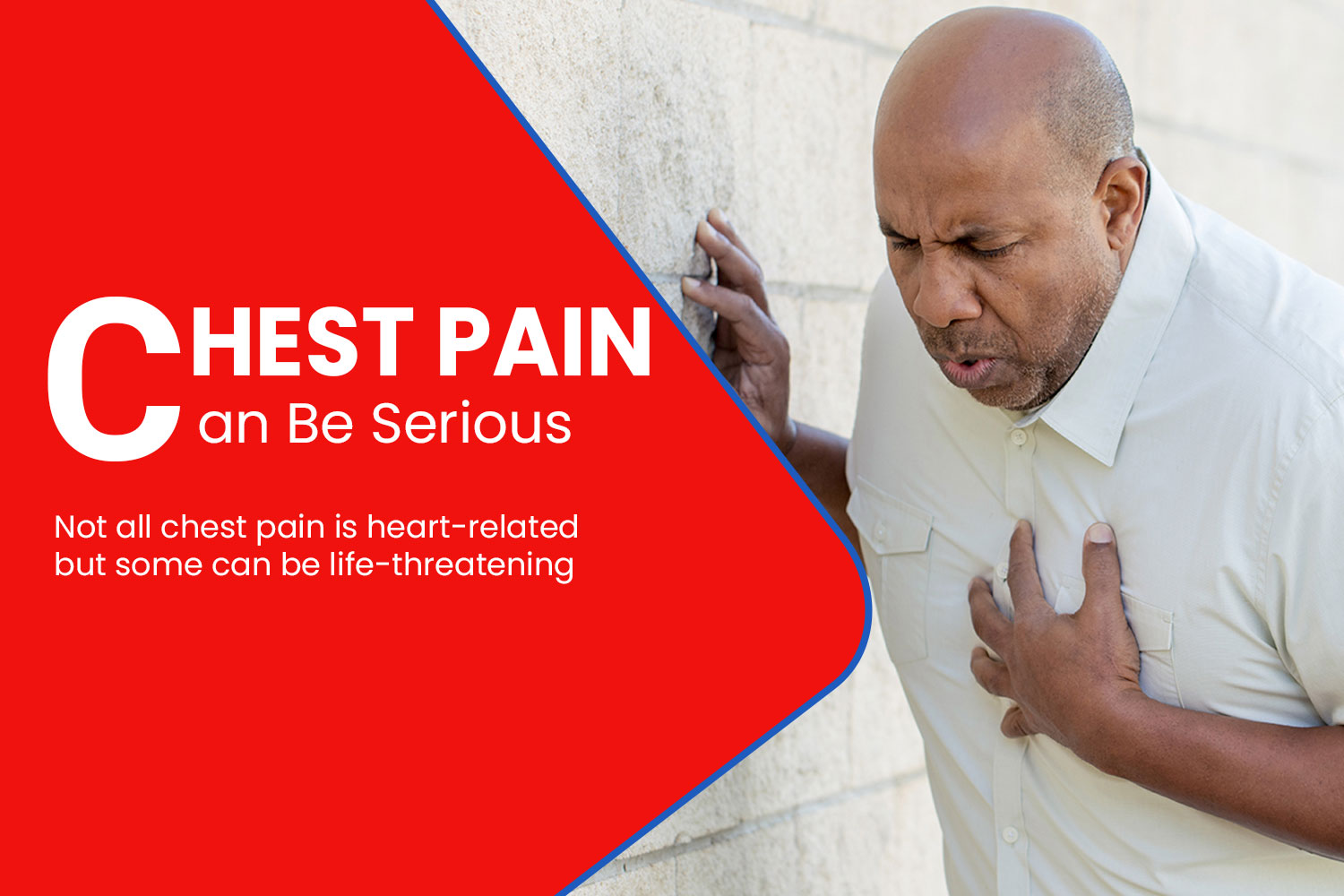
Chest pain is one of the most alarming symptoms people experience. Many immediately assume it signals a heart attack. However, an important question patients often ask is: Is chest pain always related to the heart?
According to Dr. Naresh Kumar Goyal, Senior Director & HOD – Interventional Cardiology and Heart Failure, the answer is not always. While heart disease is a major cause of chest pain, several other conditions can produce similar symptoms.
Patients searching for the best cardiologist in Adarsh nagar often visit specialists to understand the exact cause of their chest discomfort. Identifying whether chest pain is heart-related or caused by other factors is essential for proper treatment and peace of mind.
Understanding Chest Pain
Chest pain refers to any discomfort felt in the chest area between the neck and the upper abdomen. It can vary widely in sensation, duration, and intensity.
People may describe chest pain as:
- Tightness or pressure
- Burning sensation
- Sharp stabbing pain
- Crushing heaviness
- Dull aching discomfort
Some chest pain lasts only a few seconds, while others persist for several minutes or longer.
Common Types of Chest Pain
Medical professionals classify chest pain into several categories based on its characteristics.
- Pressure-like pain – often linked to heart problems
- Burning pain – commonly associated with acid reflux
- Sharp pain – may result from muscle or lung issues
- Crushing pain – a classic symptom of a heart attack
Understanding the nature of the pain helps doctors identify possible causes.
Why Chest Pain Creates Fear
Chest pain is strongly associated with heart attacks. Because heart disease remains one of the leading causes of death worldwide, people often panic when they feel discomfort in the chest.
However, not every chest pain is a cardiac emergency. Many conditions unrelated to the heart can cause similar symptoms.
Is Chest Pain Always Related to the Heart?
The answer to Is chest pain always related to the heart? is no. The chest contains several organs and structures that may produce pain.
These include:
- Heart
- Lungs
- Esophagus
- Muscles and ribs
- Digestive organs
- Nerves
Because these systems share nerve pathways, pain from one area may feel like it is coming from another.
Organs That Can Cause Chest Pain
Several organs inside the chest may trigger discomfort.
| Organ/System | Possible Causes |
| Heart | Heart attack, angina |
| Lungs | Pneumonia, pulmonary embolism |
| Digestive system | Acid reflux, esophageal spasms |
| Muscles and ribs | Muscle strain, rib injuries |
| Nervous system | Anxiety or panic disorders |
This complexity is why consulting the best cardiologist in Adarsh nagar is important when symptoms are persistent or unclear.
Importance of Proper Diagnosis
A medical evaluation usually includes:
- Detailed symptom history
- Physical examination
- Assessment of risk factors such as smoking or diabetes
- Diagnostic tests
A cardiologist can determine whether the pain originates from the heart or another organ.
Heart-Related Causes of Chest Pain
Although chest pain may have many causes, doctors must first rule out serious heart conditions.
Heart Attack
A heart attack occurs when blood flow to the heart muscle becomes blocked.
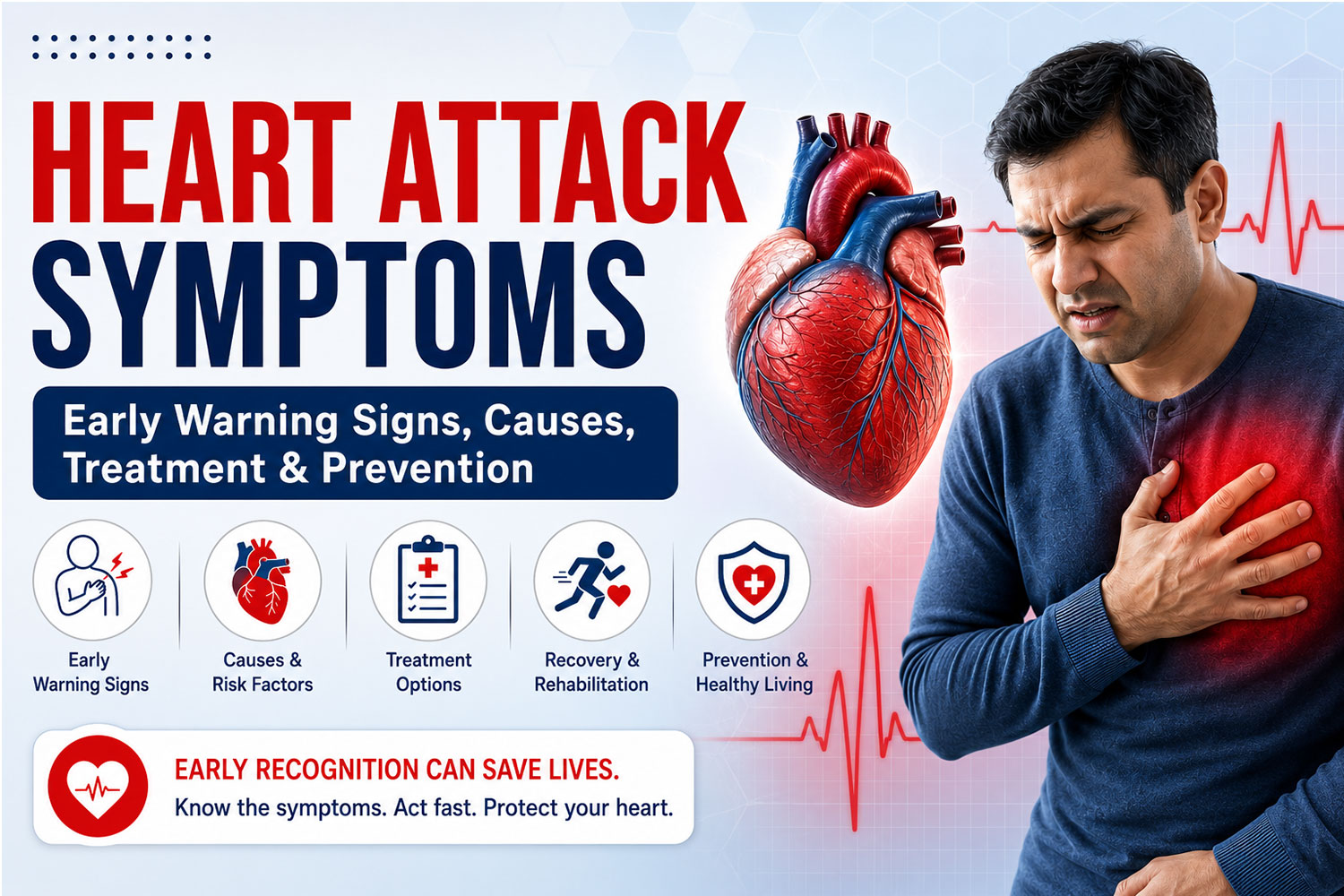
Common symptoms include:
- Heavy pressure in the chest
- Pain spreading to the arm, neck, or jaw
- Sweating
- Nausea
- Shortness of breath
This type of pain usually lasts several minutes and may worsen with activity.
Angina
Angina is chest pain caused by reduced blood flow to the heart muscle.
Symptoms often include:
- Tightness in the chest
- Pain during physical exertion
- Relief with rest
Angina can indicate underlying coronary artery disease.
Pericarditis
Pericarditis occurs when the lining around the heart becomes inflamed.
Symptoms may include:
- Sharp chest pain
- Pain worsening while lying down
- Relief when sitting forward
Non-Cardiac Causes of Chest Pain
Many cases of chest pain originate from other systems in the body.
Acid Reflux or GERD
Gastroesophageal reflux disease (GERD) is a common cause of burning chest pain.
Symptoms include:
- Heartburn
- Sour taste in the mouth
- Pain after meals
- Discomfort while lying down
Muscle Strain or Rib Injury
Physical strain from exercise or lifting heavy objects can cause chest muscle pain.
Signs include:
- Pain during movement
- Tenderness when touching the chest
- Pain when coughing or sneezing
Lung Conditions
Certain lung disorders can also cause chest discomfort.
Examples include:
- Pneumonia
- Pleurisy
- Pulmonary embolism
Pain related to the lungs often becomes worse during deep breathing.
Anxiety and Panic Attacks
Stress and anxiety can cause symptoms similar to heart problems.
These may include:
- Chest tightness
- Rapid heartbeat
- Dizziness
- Shortness of breath
Warning Signs That Require Emergency Care
Seek immediate medical help if chest pain occurs with:
- Severe pressure or squeezing sensation
- Pain radiating to the arm, jaw, or back
- Sudden sweating
- Shortness of breath
- Nausea or vomiting
- Fainting or dizziness
These symptoms may indicate a heart attack and require urgent treatment.
How Cardiologists Diagnose Chest Pain
When patients visit the best cardiologist in Adarsh nagar, doctors may perform several tests to identify the cause.
ECG and Blood Tests
An electrocardiogram (ECG) records electrical activity in the heart and helps detect heart attacks or irregular rhythms.
Blood tests can also identify cardiac enzymes released when heart muscle damage occurs.
Stress Tests and Imaging
Additional diagnostic tests may include:
- Stress testing
- Echocardiography
- CT angiography
- Coronary angiography
These tests allow doctors to examine blood flow and detect blockages in coronary arteries.
Tips to Prevent Heart-Related Chest Pain
Maintaining heart health can reduce the risk of serious chest pain.
Recommended habits include:
- Eating a balanced diet
- Exercising regularly
- Maintaining a healthy weight
- Avoiding smoking
- Managing stress effectively
- Monitoring blood pressure and cholesterol levels
Regular heart checkups are especially important for individuals with risk factors such as diabetes or family history of heart disease.
Conclusion
Many people worry that every chest pain indicates a heart attack. However, the answer to “Is chest pain always related to the heart?” is no. Chest pain may arise from various conditions, including digestive issues, lung problems, muscle strain, or anxiety.
Still, because heart-related chest pain can be life-threatening, it should never be ignored. Consulting the best cardiologist in Adarsh nagar ensures accurate diagnosis and timely treatment.
If chest pain is sudden, severe, or accompanied by other warning signs, seek immediate medical attention. Early intervention can save lives and protect long-term heart health.