Best Cardiologist in Rohini Reveals 10 Early Warning Signs of a Heart Attack You Should Never Ignore
Let’s be honest — most people assume heart attacks happen like they do in movies. Sudden chest clutching. Dramatic collapse. Immediate emergency.
But real life? It’s often quieter… subtler… and easier to ignore.
Your body whispers before it screams. And knowing those whispers can literally save your life.
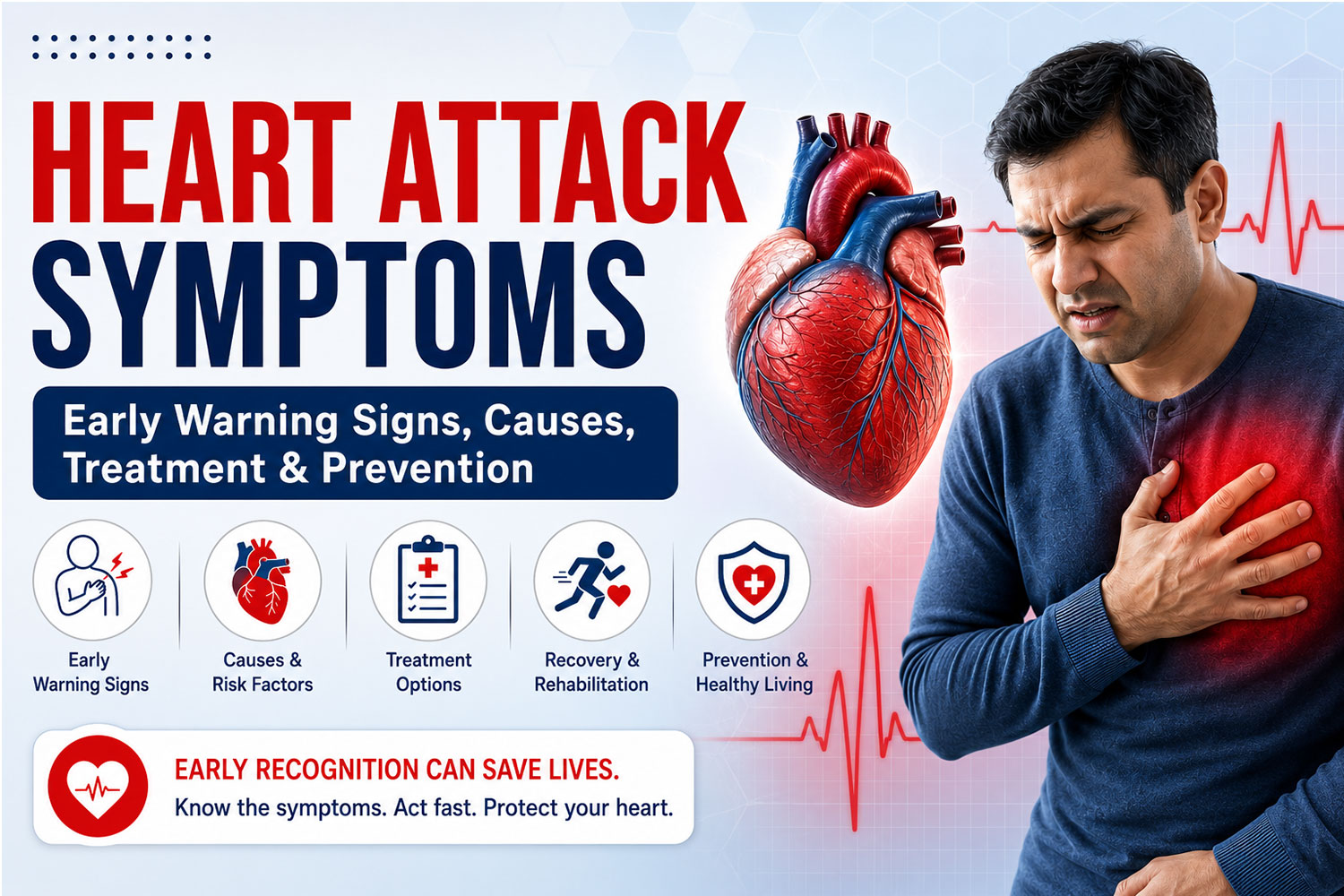
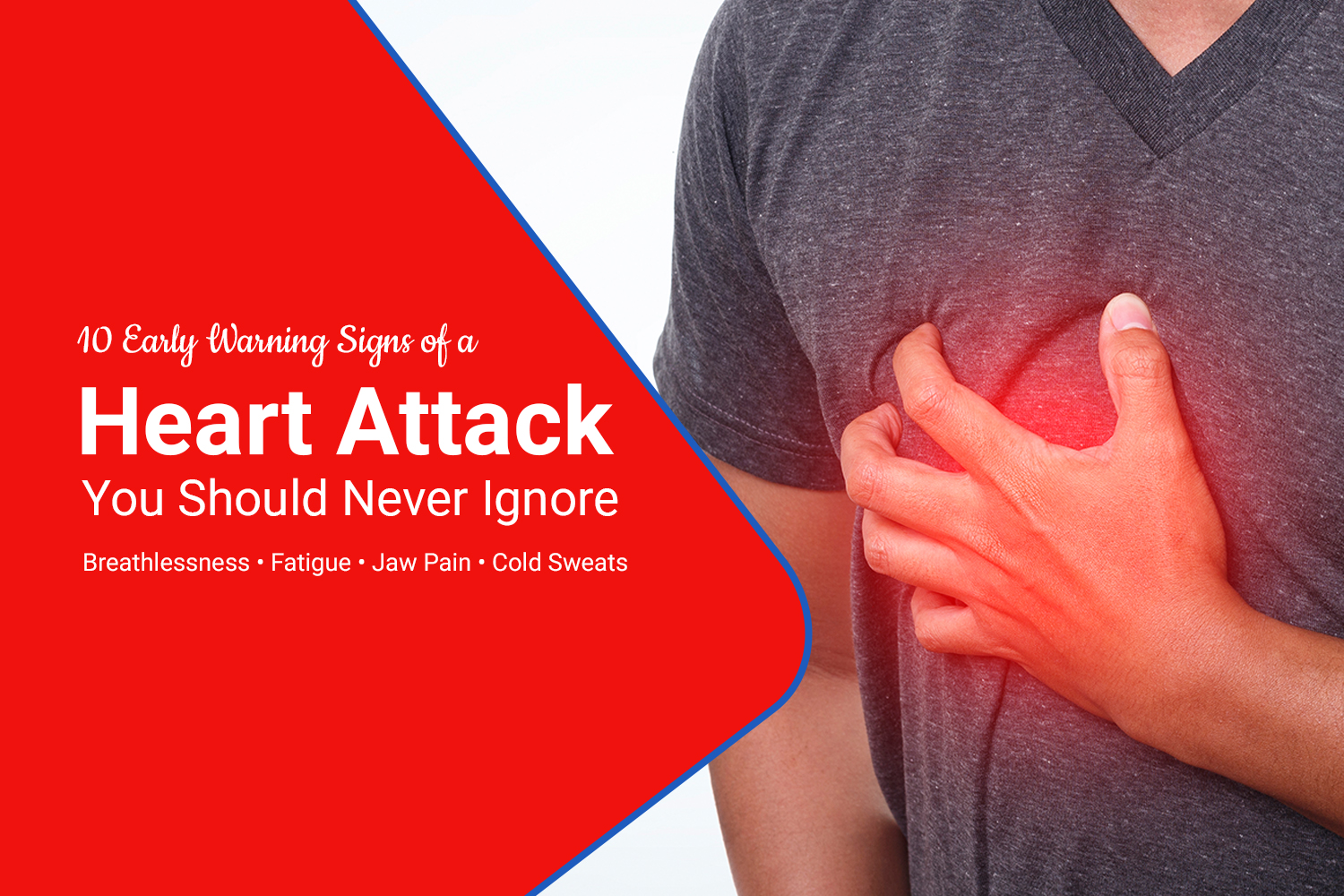
Here are the 10 early warning signs of a heart attack you should never ignore.
1. Chest Discomfort or Pressure
This is the most common symptom — but it doesn’t always feel like sharp pain.
You may feel:
- Pressure
- Tightness
- Squeezing sensation
- Fullness in the center of the chest
- Burning feeling (often mistaken for acidity)
The discomfort may last for a few minutes, disappear, and then return. If it feels unusual or persistent, don’t brush it off as gas or stress.
When in doubt, consult the best cardiologist in Rohini immediately.
2. Pain Spreading to Arm, Neck, or Jaw
Heart pain doesn’t always stay in the chest.
It can radiate to:
- Left arm (most common)
- Both arms
- Neck
- Jaw
- Back
- Shoulders
This spreading pain is a classic heart attack symptom. If chest discomfort is accompanied by arm or jaw pain, seek emergency care immediately.
3. Shortness of Breath
Feeling breathless without heavy activity?
If simple tasks like walking a short distance or climbing a few stairs leave you unusually winded, your heart may not be pumping efficiently.
Shortness of breath can occur:
- With chest pain
- Before chest pain
- Even without chest pain
Don’t ignore unexplained breathlessness — especially if you have diabetes, high BP, or a family history of heart disease.
4. Cold Sweats
Sudden sweating without physical activity can be a red flag.
We’re not talking about mild sweating due to heat. Instead, it’s:
- Clammy skin
- Cold sweat
- Feeling faint or dizzy
If sweating is combined with chest discomfort, nausea, or weakness — call for medical help right away.
5. Unusual Fatigue
This symptom is especially common in women.
Are you feeling:
- Extremely tired for no reason?
- Drained after simple daily tasks?
- Exhausted despite proper rest?
Persistent fatigue days or weeks before a heart attack is common but often ignored. If fatigue feels abnormal and ongoing, it’s time for a cardiac evaluation.
6. Nausea or Vomiting
Many people mistake heart attack symptoms for gastric issues.
You may experience:
- Nausea
- Vomiting
- Indigestion
- Stomach discomfort
If these symptoms appear along with chest pressure or sweating, don’t assume it’s acidity. It could be your heart asking for help.
7. Lightheadedness or Dizziness
Feeling like you might faint?
Sudden dizziness can indicate reduced blood flow to the brain — which may be linked to heart problems.
If dizziness is paired with:
- Chest discomfort
- Shortness of breath
- Sweating
Seek emergency attention immediately.
8. Irregular Heartbeat
An occasional skipped beat is common. But persistent palpitations or racing heartbeat shouldn’t be ignored.
Warning signs include:
- Rapid heartbeat
- Fluttering sensation
- Irregular rhythm
- Heart pounding without activity
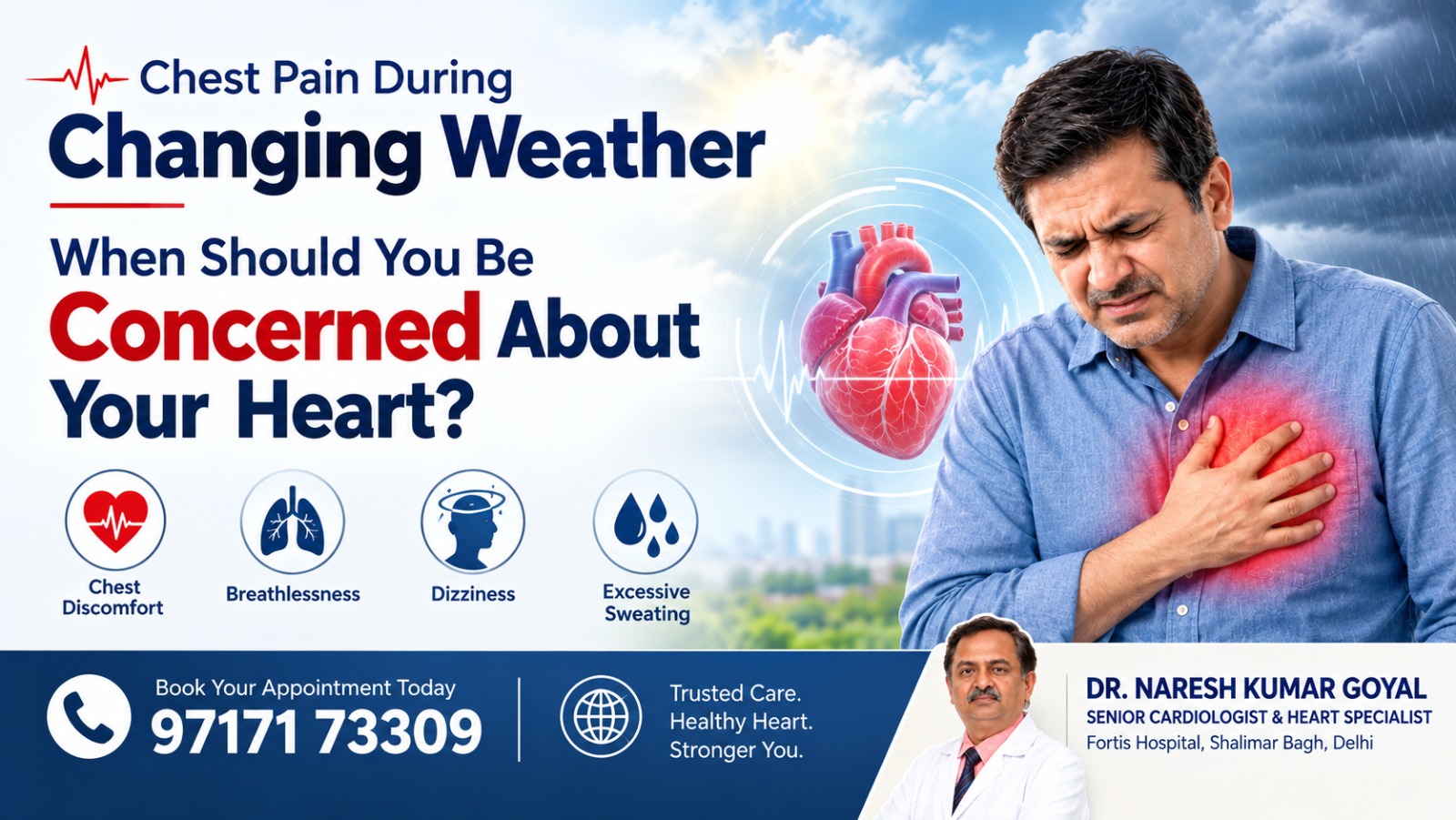
These may signal an underlying cardiac issue that needs evaluation by the best cardiologist in Rohini, like Dr. Naresh Kumar Goyal, Senior Director & HOD – Cardiology, Fortis Hospital Shalimar Bagh
.
9. Swelling in Legs or Feet
When the heart struggles to pump blood effectively, fluid can build up in the body.
Watch for:
- Swelling in ankles
- Puffy feet
- Sudden weight gain due to fluid retention
This could indicate heart failure or underlying heart disease.
10. Anxiety or Feeling of Doom
Strange but true.
Some patients report:
- Sudden unexplained anxiety
- Panic-like feelings
- A sense that something is seriously wrong
Never ignore your intuition. If your body feels “off,” get it checked.
Do Heart Attack Symptoms Differ in Men and Women?
Yes, absolutely.
Men often experience:
- Classic chest pain
- Left arm pain
- Sweating
Women may experience:
- Fatigue
- Nausea
- Jaw or back pain
- Mild chest discomfort
- Shortness of breath
Because women’s symptoms can be subtle, they are more likely to ignore them — which delays treatment.
When Should You Seek Emergency Help?
Call emergency services immediately if:
- Chest pain lasts more than 5 minutes
- Pain spreads to arm, neck, or jaw
- You experience shortness of breath
- There’s heavy sweating with discomfort
- You feel faint or dizzy
Time is muscle. The longer you wait, the more heart damage occurs.
Who Is at Higher Risk?
You may be at increased risk if you have:
- High blood pressure
- Diabetes
- High cholesterol
- Obesity
- Smoking habits
- Sedentary lifestyle
- Family history of heart disease
If you fall into these categories, regular heart checkups are essential.
Why Early Diagnosis Matters
Here’s the thing — heart disease doesn’t develop overnight.
Early detection can:
- Prevent major heart attacks
- Reduce complications
- Improve survival rates
- Save healthcare costs
- Improve quality of life
Consulting the best cardiologist in Rohini, such as Dr. Naresh Kumar Goyal, Senior Director & HOD – Cardiology, Fortis Hospital Shalimar Bagh, ensures timely diagnosis, accurate testing, and proper management of heart conditions.
Regular check-ups, ECG, stress tests, and preventive screenings can catch problems before they turn serious.
How to Reduce Your Risk of Heart Attack
Prevention is always better than cure. Here’s what you can do:
- Maintain healthy weight
- Exercise at least 30 minutes daily
- Quit smoking
- Control blood pressure and diabetes
- Eat a heart-healthy diet
- Reduce stress
- Get regular cardiac check-ups
Small lifestyle changes can make a massive difference.
FAQs About Heart Attack Warning Signs
1. Can a heart attack happen without chest pain?
Yes, especially in women and diabetic patients. Symptoms like fatigue, nausea, and breathlessness may appear instead.
2. How long do warning signs last?
They can appear days or even weeks before a major heart attack.
3. Is acidity similar to heart attack pain?
Sometimes yes. If acidity doesn’t improve with medication and is accompanied by sweating or breathlessness, seek medical help.
4. Should I ignore mild chest discomfort?
No. Any unusual chest discomfort should be evaluated by a cardiologist.
5. Can young people have heart attacks?
Yes. Due to stress, smoking, poor diet, and sedentary lifestyle, heart attacks are increasingly common in younger adults.
Final Thoughts: Don’t Ignore the Signals
Your heart rarely fails without warning. The problem is — most of us don’t listen.
Chest pressure, unexplained fatigue, nausea, breathlessness — these aren’t random symptoms. They could be your body’s way of asking for urgent help.
If you or a loved one experiences any of these early warning signs of a heart attack, don’t delay. Seeking timely consultation with Dr. Naresh Kumar Goyal, Senior Director & HOD – Cardiology, Fortis Hospital Shalimar Bagh, regarded as the best cardiologist in Rohini, could prevent life-threatening complications.
Remember — acting early isn’t overreacting. It’s protecting your life.
Stay aware. Stay proactive. Stay heart-healthy.